
Our Fall 2026 research agenda:
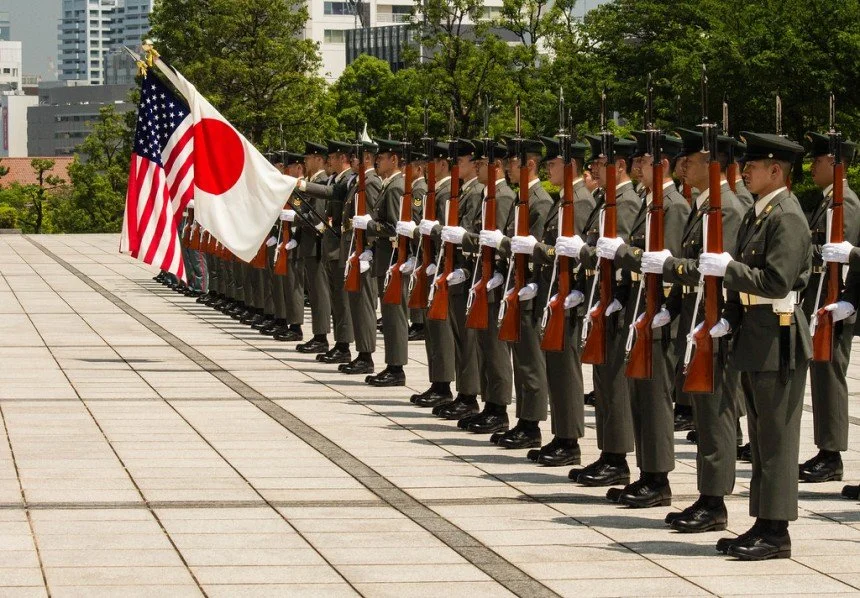
Japan Rearmed
This year, Japan is expected to release its fourth National Security Strategy under the leadership of Sanae Takaichi, whose government appears poised to continue the more proactive security policies pursued by recent administrations. As Japan expands its defense capabilities, develops new security institutions, and assumes a larger strategic role in the Indo-Pacific, important questions remain about the political, legal, and strategic forces driving this transformation.
This strategic roundtable invites contributors to examine the causes and implications of Japan's evolving security posture through original analytical essays. Participants will develop individual research projects contributing to a broader conversation rather than a single collaborative report. Topics may include, but are not limited to, economic security, emerging technologies, the U.S.–Japan alliance, Indo-Pacific strategy, electoral politics, public opinion, constitutional and legal constraints, defense industrial policy, and regional security dynamics.
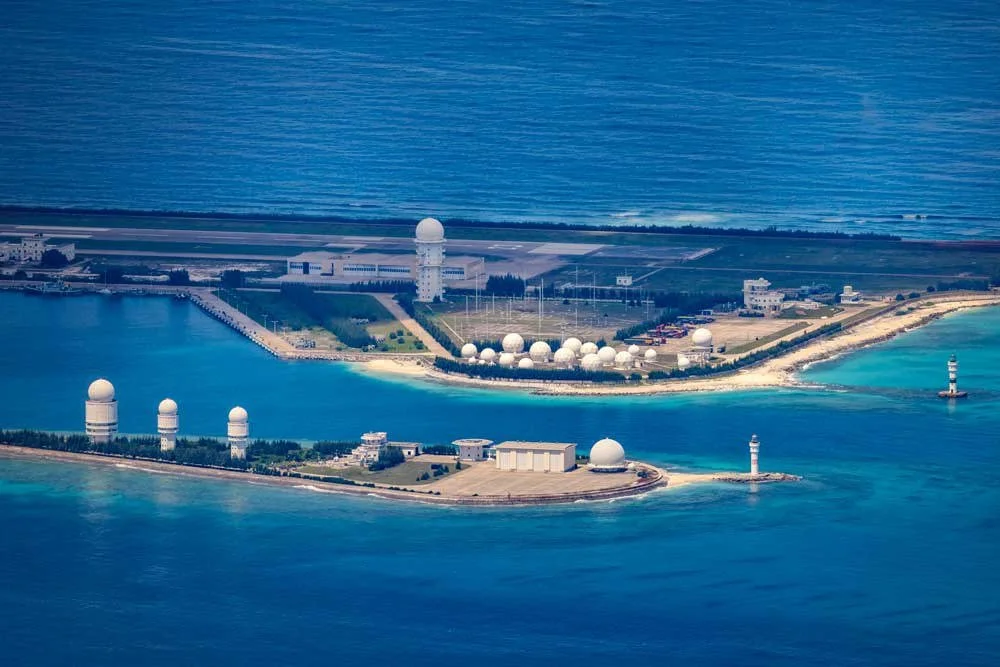
Engineering China’s Maritime Periphery
Over the last ten years, China has concentrated artificial island development in the Spratly Islands and South China Sea to expand their territorial authority under international law. China has simultaneously prioritized expanding missile delivery range, planting underwater submarine detection systems, and enhancing integrated air defenses in order to widen the range of the Anti-Access and Area Denial (A2/AD) system.
This research project aims to answer the connection between evolution of A2/AD technology and artificial island development by examining the industrial and human capital backbone of these developments. Student researchers will have the task of compiling a database or written account of development.